casino utan svensk licens netent — så väljer du rätt programvara 2026
casino utan svensk licens netent är ett ämne som engagerar både nybörjare och erfarna spelare. Med ett växande utbud av titlar är casino utan svensk licens med netent något som alla borde känna till.
paf poker — bankrullehantering | paf casino
See also:
- casino utan svensk licens netent 2024 – så börjar du på rätt sätt
- Bonusvillkor och omsättningskrav hos casino utan svensk licens netent
- Vanliga frågor om netent casino utan svensk licens 2023 – svar och tips
- RTP: Återbetalningsprocent för populära slots
- Vad är casino utan svensk licens netent 2024 och hur fungerar de?
- Bilder och spelupplevelse hos casino utan svensk licens netent
- Vanliga misstag med casino utan svensk licens med netent
- casino utan svensk licens netent guide till ansvarsfullt spelande
casino utan svensk licens netent 2024 – så börjar du på rätt sätt
The concept of purchasing a bonus is a fundamental mechanism in modern commerce, designed to incentivize consumer behavior, enhance user engagement, and drive revenue growth. When a customer decides to buy a bonus, they are typically engaging in a transactional exchange where they pay an additional fee—either upfront or as part of a subscription—to unlock exclusive benefits that are not available to standard users. These benefits can manifest in various forms, such as in-game currency, premium features, accelerated progress, cosmetic items, or access to limited-time events. The psychological underpinning of this purchase is rooted in the principle of perceived value; the bonus must appear to offer more worth than its monetary cost, creating a sense of urgency and exclusivity. For example, in the context of mobile gaming, a player might buy a bonus pack that includes 500 gems, a rare character skin, and a 7-day experience boost, all for a price that seems modest compared to the time and effort required to earn those items through gameplay alone. This transaction is not merely a one-way exchange; it also benefits the developer or service provider by generating consistent cash flow, funding ongoing updates, and creating a revenue stream that supports the entire ecosystem. Moreover, the act of buying a bonus often triggers a psychological commitment effect, where the user becomes more invested in the product because they have made a financial contribution, leading to higher retention rates and increased word-of-mouth promotion. From a strategic perspective, businesses carefully design bonus tiers to cater to different spending capacities, from micro-transactions that cost less than a dollar to premium packages that cost hundreds, ensuring that every segment of the user base has an opportunity to participate. The pricing of these bonuses is often determined through rigorous A/B testing, analyzing consumer willingness to pay, and benchmarking against competitor offerings. Additionally, the timing of when a bonus is offered can significantly impact its uptake; for instance, introducing a limited-time bonus during a holiday season or a major game update can create a spike in sales due to the combination of novelty and fear of missing out. Furthermore, the method of payment has evolved, with options ranging from credit cards and digital wallets to mobile carrier billing, making the purchase frictionless and impulsive. In many cases, the bonus is delivered instantly, providing immediate gratification that reinforces the positive association with the brand. However, there is also a darker side to buying bonuses, as it can lead to compulsive spending, especially among vulnerable populations such as minors, which has prompted regulatory scrutiny and the implementation of spending limits and parental controls. Ethical considerations also come into play, as some argue that certain bonus structures are predatory, exploiting behavioral biases like loss aversion and the sunk cost fallacy. To mitigate these concerns, responsible companies now include transparent disclosure of odds for randomized bonuses, offer refund policies, and provide self-exclusion tools. On a broader scale, the economics of buying bonuses has spawned an entire industry of virtual goods trading, with secondary markets where users resell or trade bonuses, sometimes for real-world money, though this is often against the terms of service. The phenomenon has also influenced other sectors, such as e-commerce, where customers can buy a ‘bonus’ in the form of free shipping or extended warranties, and in financial services, where a bonus might be a cashback reward for opening a new account. In the realm of loyalty programs, buying a bonus could mean purchasing points to reach a reward threshold sooner, which enhances customer lifetime value. The effectiveness of a bonus purchase is often measured through metrics like conversion rate, average revenue per user, and return on investment for the promotional campaign. Data analytics play a crucial role in personalizing bonus offers, using past purchase history and user behavior to tailor the bonus to individual preferences, thereby increasing the likelihood of a sale. For example, a user who frequently plays a particular game mode might be offered a bonus that enhances that mode, while a user who has not made a purchase in a while might receive a discounted bonus to re-engage them. The social aspect also cannot be overlooked; buying a bonus can confer social status within a community, as players with exclusive items may be admired or envied by others, which further drives demand. In multiplayer settings, bonuses can also provide competitive advantages, such as extra lives or better weapons, which raises questions about fairness and pay-to-win mechanics. Despite these controversies, the practice of buying bonuses continues to grow, with global spending on digital bonuses projected to reach billions of dollars annually. The future of this trend likely involves more integration with emerging technologies like blockchain, where bonuses can be tokenized and owned permanently, and augmented reality, where bonuses could unlock physical experiences. Ultimately, the decision to buy a bonus is a complex interplay of emotional desire, rational calculation, and social influence, and for businesses, mastering this dynamic is key to sustaining profitability in a saturated market. As consumers become more savvy, the demand for genuine value and ethical practices will shape how bonuses are designed and marketed, ensuring that the transaction is mutually beneficial rather than exploitative. Therefore, whether one views buying a bonus as a harmless indulgence, a smart investment in entertainment, or a problematic habit, its impact on the economy and culture is undeniable, and its evolution will continue to mirror broader technological and societal changes.
Bonusvillkor och omsättningskrav hos casino utan svensk licens netent
- 100% bonus och 20 gratissnurr
- 75% upp till kr1000 i bonus
- 30x insats inom 21 dagar
- 30x omsättningskrav
Vanliga frågor om netent casino utan svensk licens 2023 – svar och tips
Spelutvecklare och deras signaturspel
När du utforskar spelbiblioteket hos casino utan svensk licens netent möts du av ett imponerande urval av titlar från några av branschens mest framstående studior. Bland de ledande namnen hittar du NetEnt, som med sina ikoniska slots som Starburst och Gonzo’s Quest har satt standarden för vad en moderna videoslots ska erbjuda. Deras spel kännetecknas av skarp grafik, flytande animationer och innovativa bonusfunktioner som ofta inkluderar både free spins och wilds med olika expansioner. En annan tungviktare är Play’n GO, vars äventyrliga titlar som Book of Dead och Reactoonz har blivit favoriter bland spelare som uppskattar hög volatilitet och stora vinstpotentialer. Med ett brett spektrum av teman, från forntida Egypten till rymdäventyr, lyckas dessa utvecklare hålla spelupplevelsen fräsch och engagerande. Därtill har casino utan svensk licens netent även inkluderat titlar från Yggdrasil och Quickspin, vilket garanterar en variation som tilltalar både nybörjare och erfarna spelare. Varje speltitel är optimerad för att fungera sömlöst på både dator och mobila enheter, och med HTML5-tekniken behöver du inte ladda ner någon extra programvara för att njuta av dina favoritspel. Oavsett om du föredrar klassiska fruktsymboler eller moderna megaways-mekaniker, så finns det alltid något som passar din smak hos casino utan svensk licens netent. Spelutvecklarna bakom dessa verk lägger ner månader av arbete på att säkerställa att varje snurr ger en rättvis och underhållande upplevelse, och med oberoende tester från ackrediterade laboratorier kan du känna dig trygg i att slumpgeneratorerna fungerar korrekt.
bingo casino 2026 — bästa bonusarna
Live casino-leverantörer och autentisk spelupplevelse
För den som söker en mer social och interaktiv spelupplevelse erbjuder casino utan svensk licens netent ett brett urval av live casino-spel från ledande leverantörer som Evolution Gaming och Playtech. Dessa företag har specialiserat sig på att skapa studior med professionella dealers som sänder i hög kvalitet direkt till din skärm. Du kan välja mellan klassiska bordsspel som blackjack, roulette och baccarat, men även mer moderna varianter som Dream Catcher och Monopoly Live som kombinerar traditionellt spel med underhållning. Evolution, som är marknadsledande inom live casino, har utvecklat ett gränssnitt som gör det enkelt att interagera med både dealern och andra spelare via chattfunktioner. Detta ger en känsla av att sitta vid ett riktigt bord på ett fysiskt kasino, fast bekvämt hemifrån. Playtech å andra sidan erbjuder ett brett spektrum av bord med olika insatsgränser, vilket gör att både högrullare och nybörjare kan hitta passande alternativ. Hos casino utan svensk licens netent är alla live casino-spel tillgängliga dygnet runt, och du kan enkelt filtera efter leverantör eller speltyp för att snabbt hitta vad du söker. För att säkerställa en rättvis spelupplevelse är dessa spel också licensierade och övervakade av spelmyndigheter, och resultaten är alltid slumpmässiga och verifierade. Med höghastighetsinternet och moderna enheter kan du njuta av en sömlös strömning utan fördröjningar, vilket är en avgörande faktor för en positiv spelupplevelse.
Innovativa plattformar och programvaruleverantörer
Bakom kulisserna hos casino utan svensk licens netent jobbar flera företag med att säkerställa att hela spelupplevelsen är smidig och säker. En av de viktigaste aktörerna är plattformsleverantören som ansvarar för att spelarens konto, insättningar och uttag fungerar utan problem. Genom att använda avancerade krypteringsprotokoll skyddas all känslig data, och med moderna betalningslösningar som e-plånböcker och kreditkort kan du snabbt göra dina transaktioner. En annan central del är spelaggregatorn, som gör det möjligt för casino utan svensk licens netent att erbjuda spel från flera olika utvecklare i samma gränssnitt. Detta innebär att du som spelare kan växla mellan spel från NetEnt, Play’n GO och andra studior utan att behöva ladda om sidan eller skapa nya konton. Programvaran bakom själva spellobbyn är utvecklad av företag som Playtech och Microgaming, som har över två decenniers erfarenhet av att bygga robusta system. Dessa plattformar inkluderar funktioner som ansvarsfullt spelande, där du kan sätta insättningsgränser eller ta en paus från spelandet om det behövs. För att hålla spelupplevelsen underhållande uppdateras plattformen regelbundet med nya spel och funktioner, och eventuella tekniska problem åtgärdas snabbt av supportteamet. Genom att samarbeta med pålitliga programvaruleverantörer kan casino utan svensk licens netent garantera att alla spel är rättvisa och att utbetalningsprocenten är hög. Detta stärker förtroendet bland spelare och gör att man känner sig trygg när man spelar för riktiga pengar.
Tekniktrender och framtidens spelupplevelse
Spelindustrin utvecklas ständigt, och hos casino utan svensk licens netent kan du se spår av de senaste tekniktrenderna som formar framtidens spelupplevelse. En av de mest påtagliga trenderna är användningen av artificiell intelligens (AI) för att skapa mer personliga spelrekommendationer. Genom att analysera dina spelvanor kan plattformen föreslå nya titlar som du sannolikt kommer att uppskatta, vilket gör det lättare att upptäcka nya favoriter. Dessutom används AI för att förbättra säkerheten genom att upptäcka misstänkt aktivitet och skydda spelare från bedrägerier. Virtual Reality (VR) och Augmented Reality (AR) är också på frammarsch, och även om de ännu inte är fullt etablerade, så har vissa leverantörer börjat experimentera med dessa tekniker. Tänk dig att kunna kliva in i en virtuell kasinomiljö där du kan röra dig fritt och interagera med andra spelare – detta kan bli verklighet inom en snar framtid. En annan viktig aspekt är mobilspelandet, som fortsätter att växa i popularitet. De flesta spelutvecklare optimerar sina titlar för att fungera perfekt på smartphones och surfplattor, och med 5G-tekniken blir uppkopplingen ännu snabbare och stabilare. Detta innebär att du kan njuta av högkvalitativa spel var du än befinner dig, utan att kompromissa med prestanda.
5 euro casino 2026 — låga omsättningskrav
Experter rekommenderar att man läser recensioner om casino utan svensk licens netent innan man registrerar sig.
RTP: Återbetalningsprocent för populära slots
| Name | Biggest win | RTP | Year | Provider |
|---|---|---|---|---|
| Slot X | 18,900 kr | 75% | 2025 | Provider A |
| Svenska Spel | 84,700 kr | 50% | 2025 | Thunderkick |
| LuckyReels | 12,400 | 150 | 2025 | Yggdrasil |
| Rullrande Rikedom | 8,500 kr | 50% | 2024 | Big Bass Bonanza |
Vad är casino utan svensk licens netent 2024 och hur fungerar de?
The decision to buy a feature is rarely a simple one, and it sits at the intersection of product strategy, user value, and engineering cost. When a product manager or a development team evaluates a potential addition to their roadmap, they must weigh the immediate benefits against long-term maintenance, technical debt, and the opportunity cost of not building something else. A feature is not just a set of UI elements or a backend service; it is a promise to the user that their problem will be solved in a specific way, and that promise carries expectations for performance, reliability, and support. Before any code is written, a thorough analysis should be conducted to define the target user persona, the core use case, and the measurable success metrics. For instance, if the feature is a new payment integration, the team must consider not only the development hours but also the compliance requirements, the transaction fees, the failure rates, and the customer support burden that will follow. Similarly, a social sharing button might seem trivial, but it can introduce privacy concerns, third-party script loading issues, and analytics tracking complexities. The buy decision also depends on the maturity of the product: a startup might prioritize speed and iterate on a minimal viable feature, while an established enterprise might demand a more robust, scalable, and secure implementation with extensive documentation and backward compatibility. Furthermore, the team should assess whether the feature aligns with the core value proposition or if it is a distraction that dilutes focus. A feature that is requested by a vocal minority but does not serve the majority of users may still be worth buying if it differentiates the product in a crowded market, but that rationale must be explicit. On the other hand, a feature that is technically risky, such as real-time collaboration or machine learning inference, might require a proof-of-concept phase to de-risk before committing to a full build. The cost of buying a feature is not just the initial development; it includes ongoing testing, bug fixes, updates to keep pace with external dependencies, and potential refactoring when the underlying architecture evolves. In many cases, it is wise to consider purchasing a third-party solution or using an open-source library rather than building from scratch, especially if the feature is not core to the business. However, integrating an external service brings its own set of challenges: vendor lock-in, data sovereignty, latency, and the need to adapt to the vendor’s roadmap. A careful total cost of ownership model should compare the build versus buy options over a three-to-five-year horizon, factoring in not only monetary costs but also the team’s bandwidth and the speed to market. Additionally, the team must think about the user experience holistically; a feature that works in isolation but feels disconnected from the rest of the product will likely be underused. Therefore, the buy decision should be accompanied by a design review, a technical feasibility study, and a stakeholder alignment session. It is also critical to define the definition of done, which includes not just the functional aspects but also the non-functional requirements like accessibility, localization, and performance budgets. For example, if the feature involves loading heavy assets, the team must ensure that it does not degrade the overall page load time, which could hurt SEO and user retention. Moreover, the team should plan for a rollout strategy, perhaps using feature flags to gradually expose the feature to a subset of users and gather feedback before a full launch. This iterative approach allows for course correction and reduces the risk of a catastrophic failure. The buy decision is also influenced by the competitive landscape; if a competitor already has a similar feature, the team might need to match it to stay relevant, but they could also choose to differentiate by focusing on a different aspect. Ultimately, buying a feature is an investment, and like any investment, it requires a clear thesis, a risk assessment, and a post-launch evaluation plan. The team should set up analytics to track adoption, engagement, and error rates, and they should be prepared to iterate based on that data. Sometimes, the best decision is to not buy the feature at all, or to buy a smaller version that can be extended later. In agile environments, the product backlog is constantly reprioritized, and a feature that seems essential today might be deprioritized next quarter due to changing market conditions or user feedback. Therefore, the buy decision should not be a one-time event but a continuous process of reevaluation. The team should also consider the emotional aspect: stakeholders might have a strong attachment to a particular feature, but the data should drive the final call. A transparent decision-making framework, such as a weighted scoring model that includes user value, business value, cost, and risk, can help depersonalize the discussion and lead to a more rational outcome. In conclusion, buying a feature is a strategic act that requires a balance of short-term gains and long-term sustainability, and it should never be taken lightly. A well-bought feature can delight users, increase retention, and drive revenue, while a poorly-bought feature can drain resources, confuse users, and tarnish the brand. The key is to approach it with rigor, empathy, and a willingness to say no when necessary. The team must also remember that a feature is not a static artifact; it will evolve, and the initial buy is just the beginning of a lifecycle that includes maintenance, enhancement, and eventual retirement. Therefore, the decision to buy should be made with a forward-looking perspective, considering how the feature will fit into the product’s future architecture and the team’s capacity to support it. In practice, this means that the team should allocate time for refactoring and technical debt reduction as part of the feature’s lifecycle, not as an afterthought. Moreover, the team should document the rationale behind the buy decision, including the alternatives considered, the assumptions made, and the expected outcomes, so that future team members can understand the context and make informed adjustments. This documentation also serves as a reference for post-mortems and retrospectives, enabling the team to learn from both successes and failures. In the end, the buy decision is a judgment call, but it is a judgment call that can be informed by data, experience, and a clear understanding of the product’s vision. The next time a feature request comes in, the team should pause, ask the hard questions, and only then make the call. That pause is what separates a thoughtful product organization from a reactive one. It is the difference between building a product that feels cohesive and one that feels like a patchwork of random features.
crypto casino no deposit bonus 2026 — crypto casino no deposit kod
Bilder och spelupplevelse hos casino utan svensk licens netent
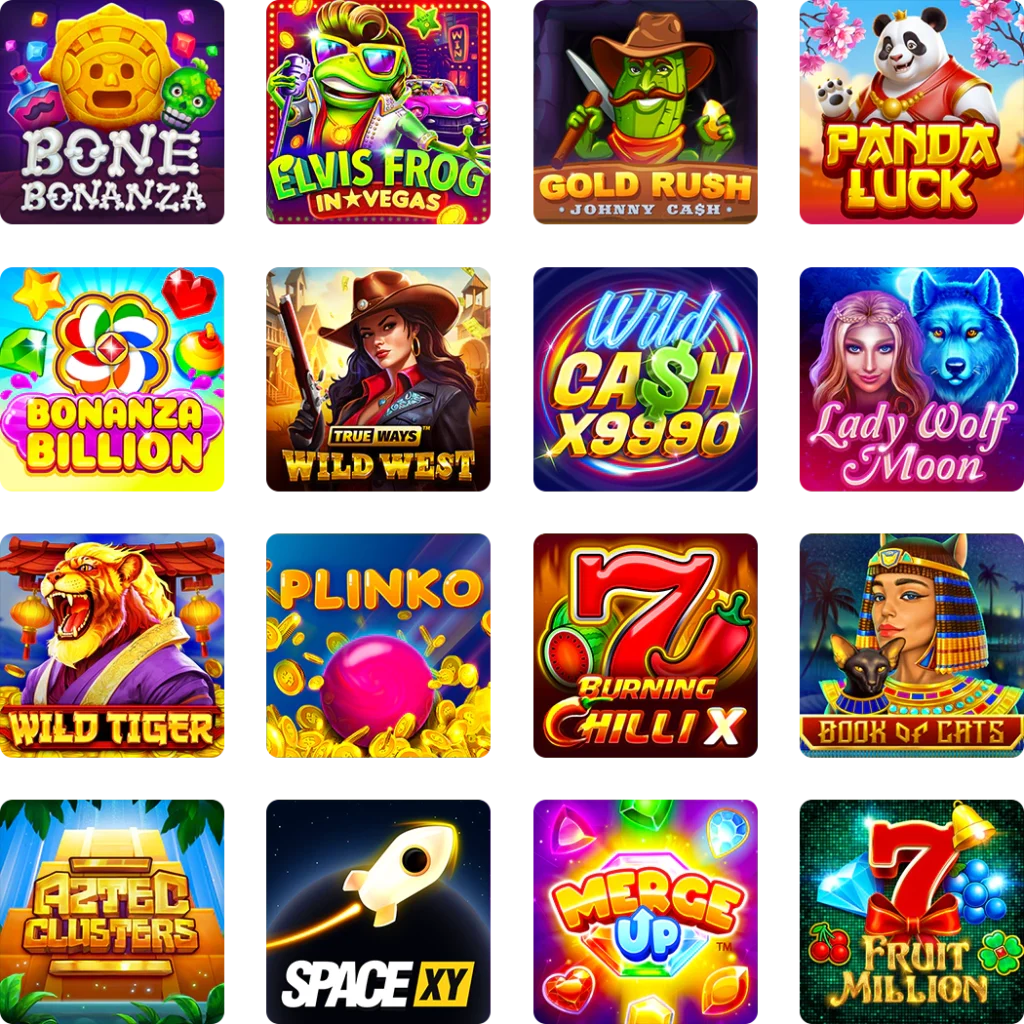
bästa casino med freespins 2026 — free spins med låg insättning
Vanliga misstag med casino utan svensk licens med netent
Vilka spelutvecklare ingår i casino utan svensk licens netents spelutbud?
casino utan svensk licens netent samarbetar med ett brett urval av ledande spelutvecklare, inklusive välkända slotstudior, live casino-leverantörer och plattformsleverantörer. Du hittar spel från flera av branschens största namn, vilket ger ett varierat utbud av slots, bordsspel och live casino-upplevelser.
Kan jag spela demospel från utvalda leverantörer utan att registrera mig?
Ja, hos casino utan svensk licens netent erbjuds demoversioner av många spel från våra spelutvecklare, så att du kan testa dem utan att satsa riktiga pengar. Detta är ett utmärkt sätt att bekanta dig med spelens funktioner och teman innan du spelar för riktiga pengar.
Hur vet jag att spelen hos casino utan svensk licens netent är rättvisa och pålitliga?
Spelen hos casino utan svensk licens netent levereras av licensierade och granskade spelutvecklare som använder certifierade slumptalsgeneratorer. Dessutom är casino utan svensk licens netent licensierat och reglerat, vilket säkerställer att alla spel uppfyller strikta krav på rättvisa och säkerhet.
Erbjuder casino utan svensk licens netent spel från specifika live casino-leverantörer?
Ja, casino utan svensk licens netent har ett urval av live casino-spel från flera kända leverantörer, med bord som blackjack, roulette och baccarat. Du kan njuta av en autentisk casinoupplevelse med professionella dealers direkt från din enhet.
Finns det några krav på minsta insättning för att spela spel från vissa leverantörer?
Nej, minsta insättning (kr22) gäller generellt för alla spel hos casino utan svensk licens netent, oavsett leverantör. Du kan dock behöva uppfylla specifika bonusvillkor, som 40x omsättning på bonusen, för att använda bonusar på spel från vissa utvalda leverantörer.
casino utan svensk licens netent guide till ansvarsfullt spelande
Spel är endast tillåtet för personer som fyllt 18 år. casino utan svensk licens netent är licensierat av Spelinspektionen och uppmuntrar till ansvarsfullt spelande. Du kan själv sätta insättnings- och tidsgränser för att hålla spelandet under kontroll – kom ihåg att spela för underhållning, aldrig för att jaga förluster. Om du behöver stöd, använd Spelpaus.se för att pausa eller stänga av dig från allt licensierat spel, eller kontakta Stödlinjen på 020-81 91 00 för kostnadsfri och konfidentiell hjälp.